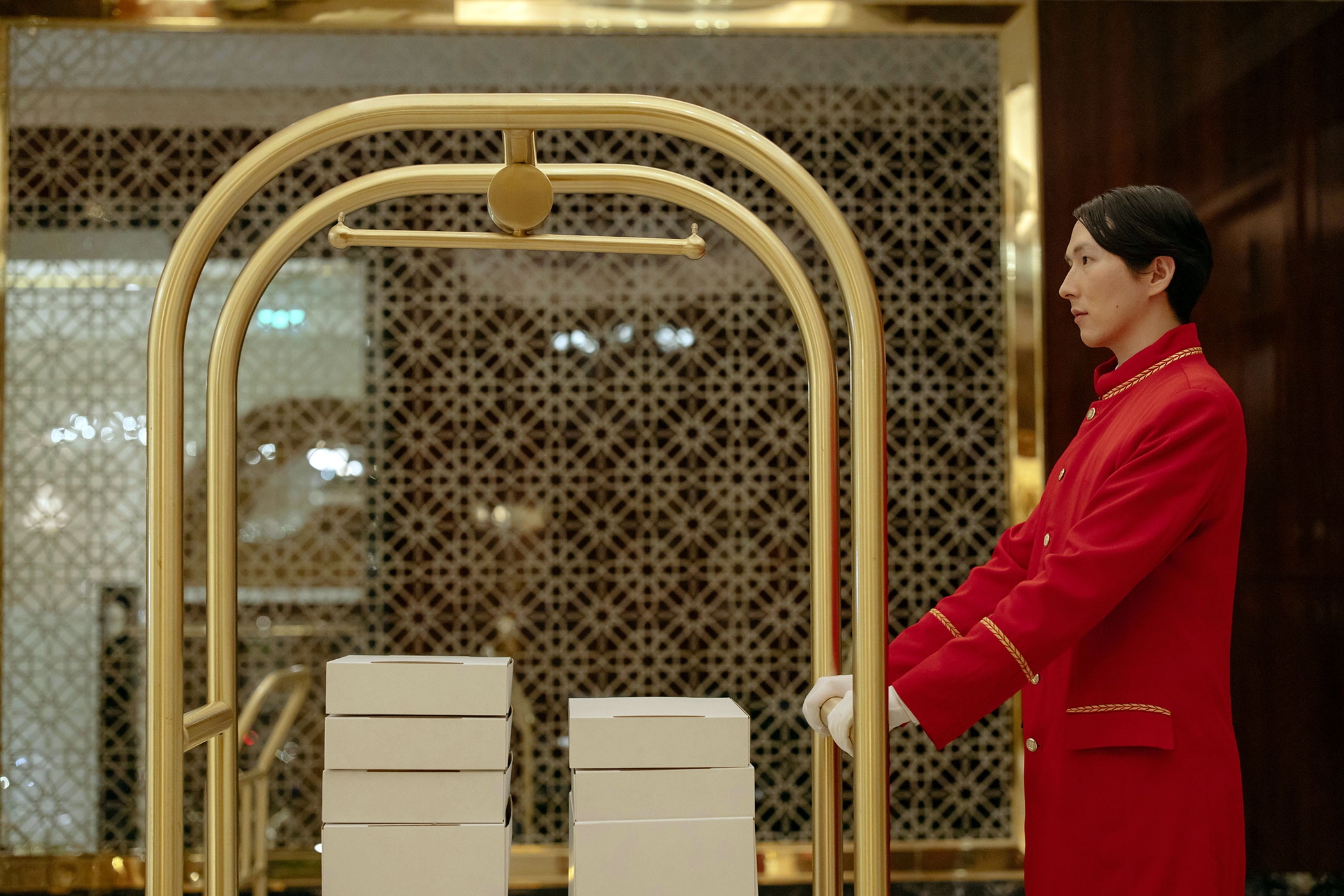
Talking about Revenue Management in luxury hotels means stepping into a universe where the usual rules lose strength and a different logic emerges—more subtle, more emotional, and above all, more connected to value than to price. In this segment, the guest isn’t looking for a room or a competitive rate; they’re seeking to feel unique, accompanied, and truly understood. And that completely transforms the way revenue is managed.
In traditional hospitality, price is often the decisive factor in stimulating demand. However, in the luxury segment, price moves into the background. Guests in this category choose based on exclusivity, aesthetics, reputation, past memories, and the unique qualities that only a select few properties can offer. For the Revenue Manager, the challenge is not so much adjusting rates as it is protecting the essence of the product, reinforcing its exceptional character, and ensuring that every decision aligns coherently with the brand.
Segmentation also takes on an entirely new form. It’s no longer enough to classify guests into broad categories. In luxury hospitality, the focus shifts to finer details: high-net‑worth travelers, individuals seeking transformative experiences, demanding international markets, stays motivated by highly specific expectations. Each segment is a small world with its own rhythm and its own reasons, and understanding it requires looking far beyond the numbers.

Although demand in luxury hotels tends to be less volatile, it can also be more unpredictable. It does not respond as much to mass market dynamics, but rather to more personal, spontaneous decisions, and even to global factors that affect very specific niches. A political shift, a cultural event, or changes in the travel habits of a key source market can deeply influence the occupancy of a boutique hotel or a luxury resort.
The increase in ADR is also not based solely on rooms. In these hotels, experiences carry significant weight. A private dinner, a tailor‑made excursion, a highly personalized spa treatment, or a transfer that begins with a carefully crafted interaction can generate tremendous value and set a property apart from its competitors. In this case, selling isn’t about adding services; it’s about elevating the experience to a level the guest perceives as genuinely their own.
In this environment, technology is a support—never the protagonist. While much of the industry marches toward automation, luxury hospitality combines digital efficiency with the warmth of human interaction. The Revenue Manager works closely with departments like Guest Experience, Sales, and Marketing, because every detail—from the tone of a greeting to the memory of a personal preference—can influence guest loyalty and future value.
And while data remains essential, interpreting it goes beyond numbers. In luxury hotels, datasets are smaller, patterns less obvious, and professional intuition becomes far more relevant. Qualitative information—comments, perceptions, expectations—carries just as much weight as traditional metrics.
This is why occupancy is not the ultimate goal. Filling a luxury hotel at any cost is, in reality, a loss of value. The key is finding the right balance between exclusivity, profitability, and service excellence. Sometimes, a carefully curated 70% occupancy can generate more revenue, more satisfaction, and more prestige than an indiscriminate 100%.
In short, Revenue Management in luxury hotels doesn’t just optimize prices: it shapes experiences, preserves the hotel’s identity, and supports a guest who demands the extraordinary. If the goal in mainstream hospitality is to sell at the best price, the mission in luxury is to offer the best experience to the right guest, at the perfect moment, with the sensitivity it requires.